
Picture this: you find out your car needs a major repair. The next day, your fridge stops working. Frustrating, yes—but it’s a lot less stressful when you have some cash set aside to absorb the hit. An emergency fund (money that’s reserved for unexpected expenses or a temporary loss of income) is one of the smartest things you can do to protect yourself financially.1
Start with the Essentials (Not Your Whole Lifestyle)
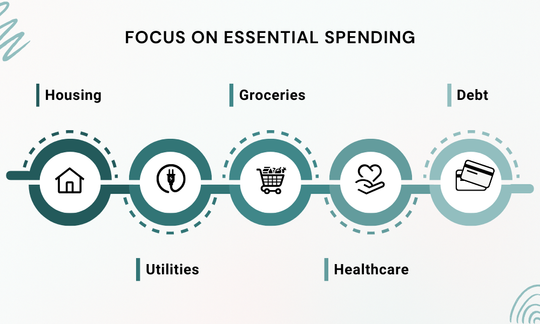
How much money is enough for an emergency fund? A common guideline is three to six months of expenses. When calculating that amount, focus on essential spending—things like housing, utilities, groceries, healthcare, and minimum debt payments—rather than including every discretionary extra.1,2
Let’s say you normally spend $4,000 a month, but you could get by at $2,500 by trimming non-essentials. In this scenario, your three-month “essentials only” target would be to put aside about $7,500 instead of $12,000.2
Calibrate for Your Situation
Your ideal amount can shift up or down. If you have a single income, variable freelance work, or dependents you support, aim higher for your emergency fund. If you have multiple stable incomes and lower fixed costs, you could get away with a slightly smaller fund.2
Make the Target Feel Doable
- Set a micro-goal first (e.g., $500 or $1,000). Next, build up to one month of essentials. Keep saving until you get to three to six months.1
- Automate contributions from each paycheck. Splitting up your direct deposits can make steady progress feel effortless.1
- Put windfalls like bonuses or refunds to work. Even a small boost can put you that much closer to having an ideal emergency cushion.1
- Remember: a credit card isn’t a smart safety net. Putting things on credit incurs more and more debt. Savings give you breathing room.
Where to Keep It
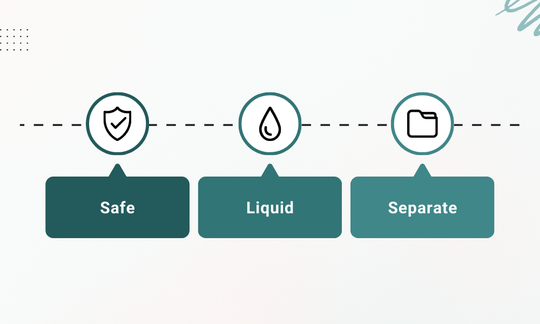
Aim for safe, liquid, and separate. Having a savings account at an FDIC- or NCUA-insured institution keeps your money safe and accessible (and typically earns a bit more than checking). Some people earmark a portion of their checking account total, but that only works if you don’t spend it.
A Note on “Fixed Numbers”
You may see benchmarks that translate six months of average household expenses to roughly $35,000. Treat that as context, not a mandate—your ideal emergency fund should reflect your essential costs and risk factors.2,3
Pro Tip: Start small, automate your savings, and just let it grow over time. Before you know it, you’ll have the breathing room that can make all the difference. Just like you might stock extra batteries for a power outage, building a cash cushion is a way of preparing for whatever life throws at you.1
Emergency Funds are Just One Piece of the Puzzle
Building an emergency fund is an important step toward financial stability, but it’s only one part of a larger financial plan. A comprehensive plan can help you balance competing priorities like saving for retirement, managing debt, preparing for healthcare costs, and building long-term wealth.
At Emerj360, we believe financial planning should help you feel more confident about where you are today and where you’re headed tomorrow. Whether you’re working toward your first emergency savings goal or developing a strategy for retirement, having a plan in place can help you make informed decisions and stay focused on what matters most. After all, financial confidence isn’t built from a single account balance, it’s built through thoughtful planning and consistent progress over time.
Sources:
1. Bankrate, July 31, 2025.
2. CNBC, June 27, 2024.
3. Investopedia, May 5, 2025.


